
Los Angeles Homes and the Foundation Risks That Come With the Territory
Homes across the Los Angeles area face real structural risks, and the foundations beneath them require genuine attention — not assumptions based on how long a house has been standing. Ground movement, soil conditions, and aging construction all place demands on residential foundations throughout this region, and those demands do not wait for a homeowner to be ready.
A common misconception is that a house standing for decades without obvious problems must be structurally sound. Older homes across this region were frequently built under construction standards that predate the seismic requirements now considered essential. The bolted connections between a home's wooden framing and its concrete foundation — along with cripple wall bracing — were simply not part of standard practice when many of these properties were constructed.
What makes this particularly challenging is that foundation deterioration and inadequate structural connections are rarely visible from the outside. Compromised anchor bolts, deteriorated concrete, and unbraced cripple walls can all hide beneath a home that looks perfectly intact from the curb. Understanding what you cannot see is precisely why a thorough professional assessment of the foundation, framing, and structural hardware matters — and why waiting until damage becomes obvious is a risk no Los Angeles homeowner should take.
What We Found on a Beverly Hills Retrofit Project in August 2026
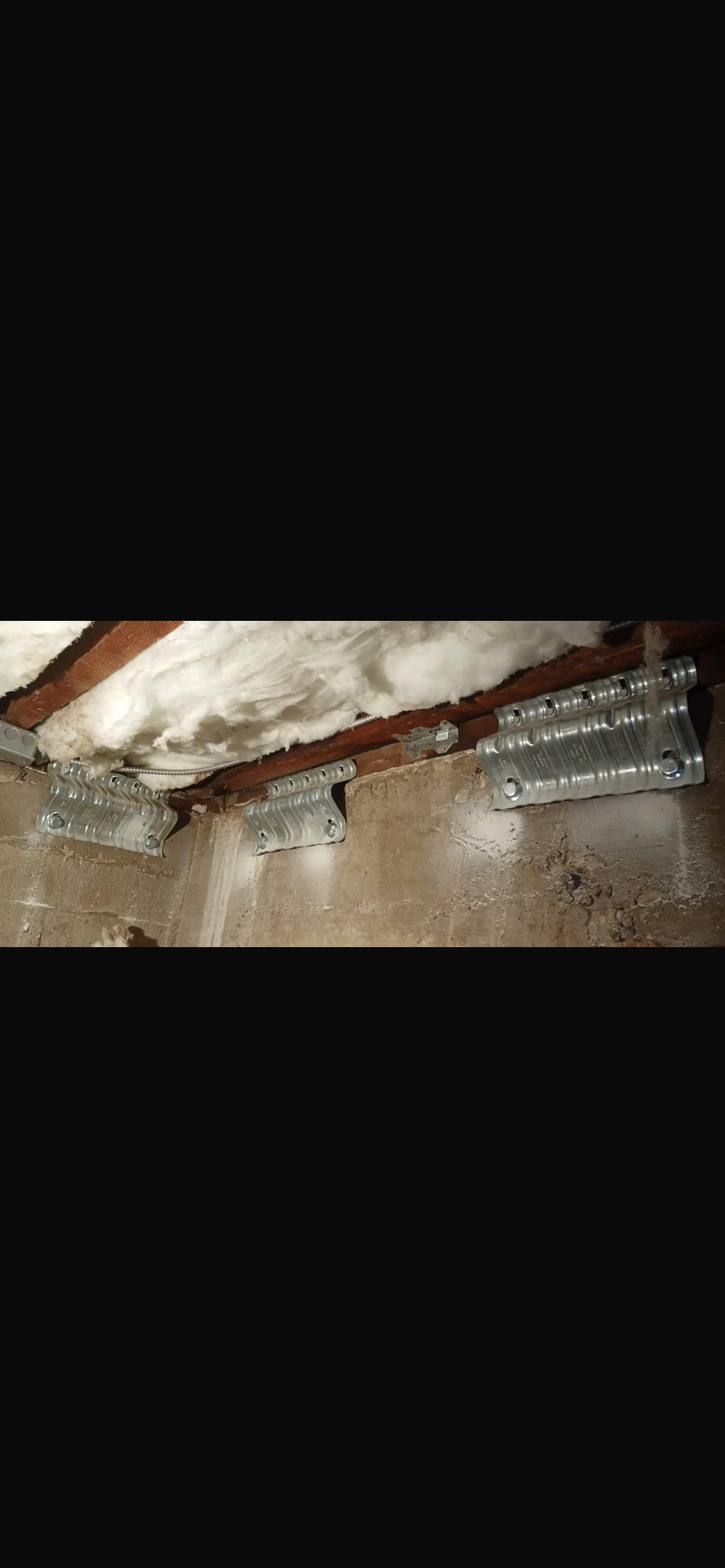
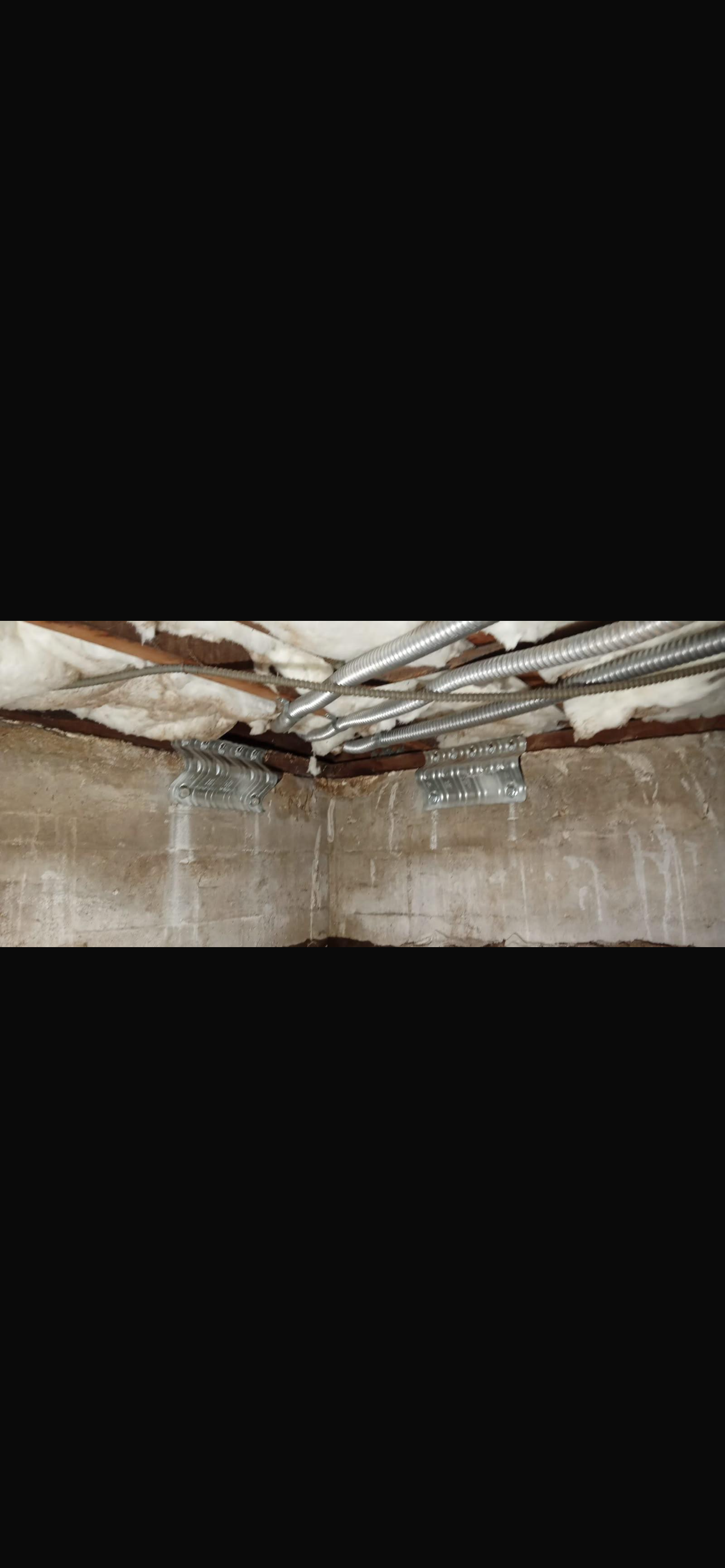
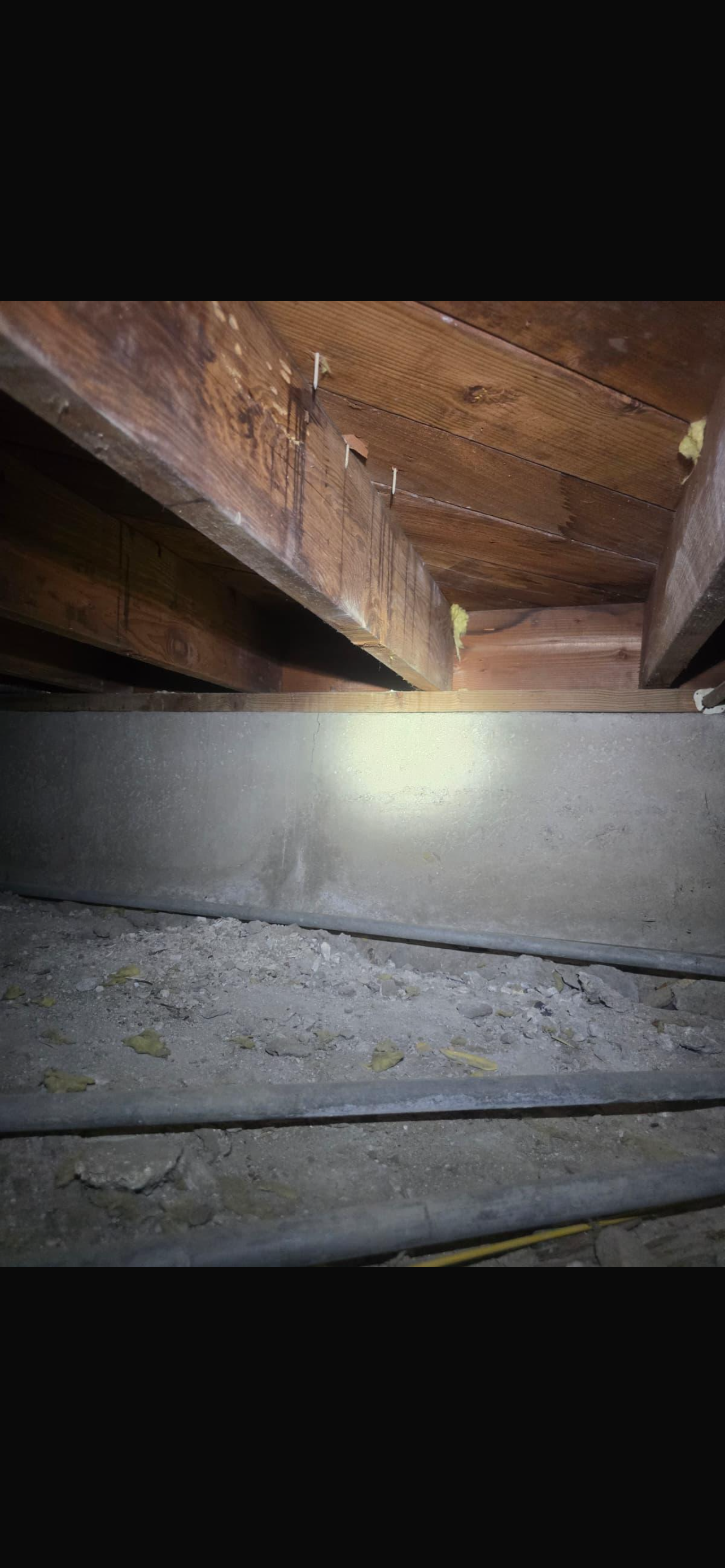
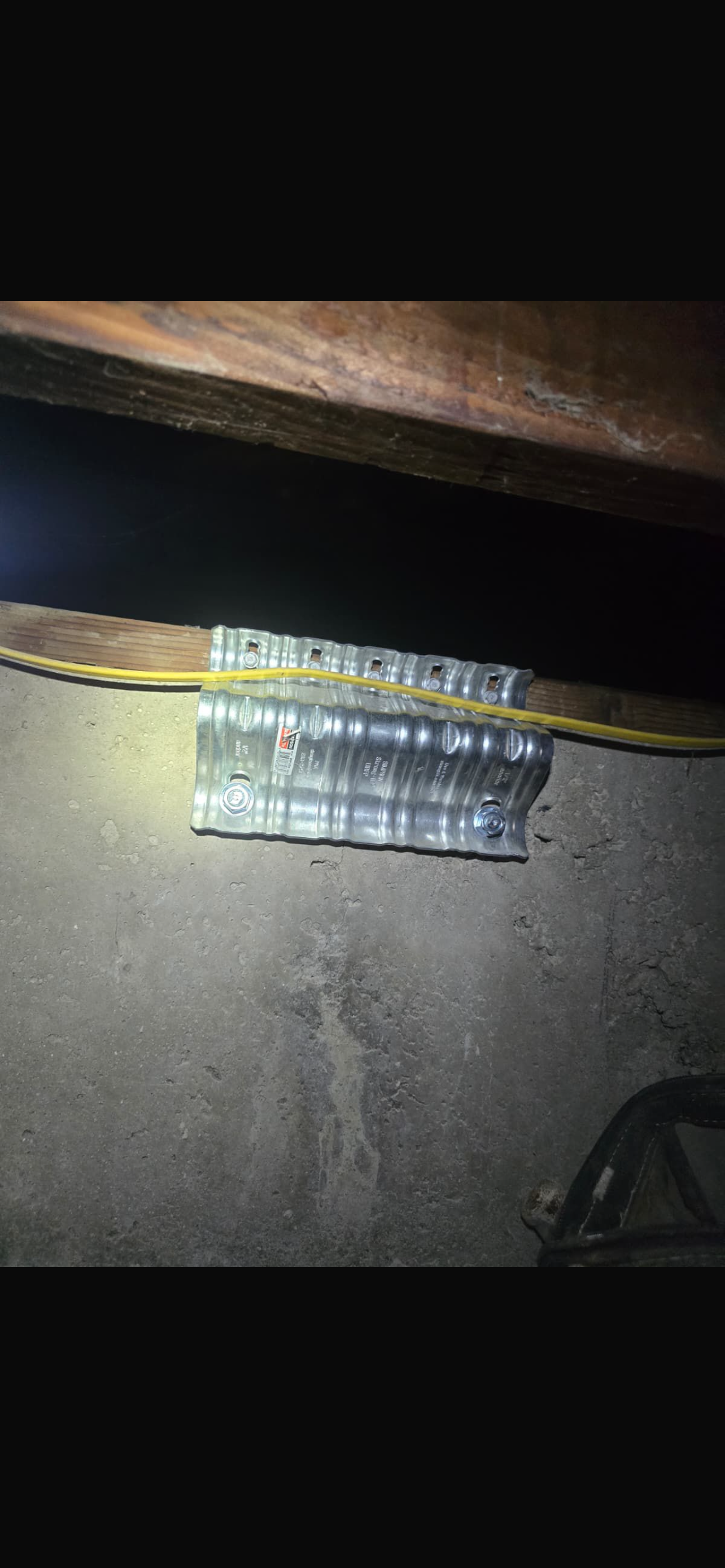
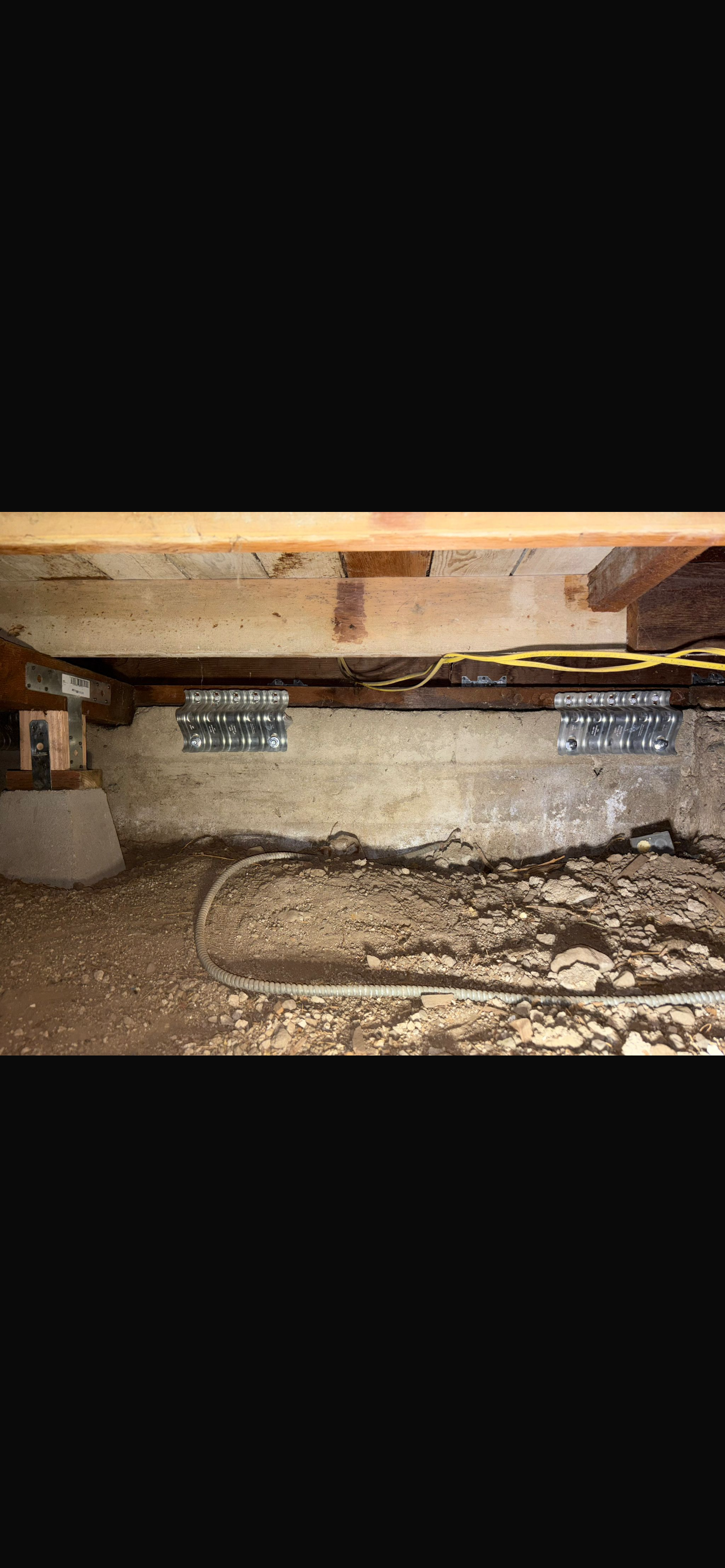
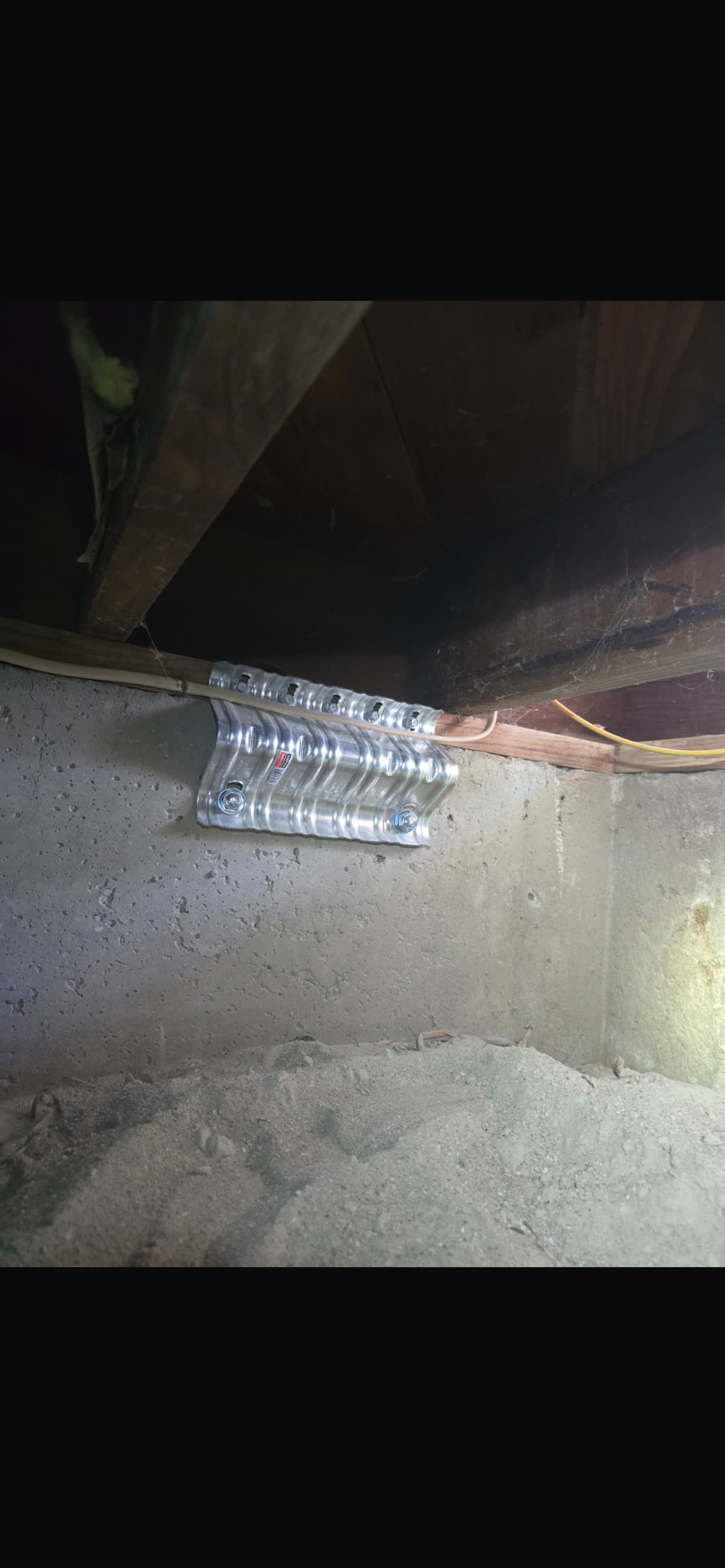
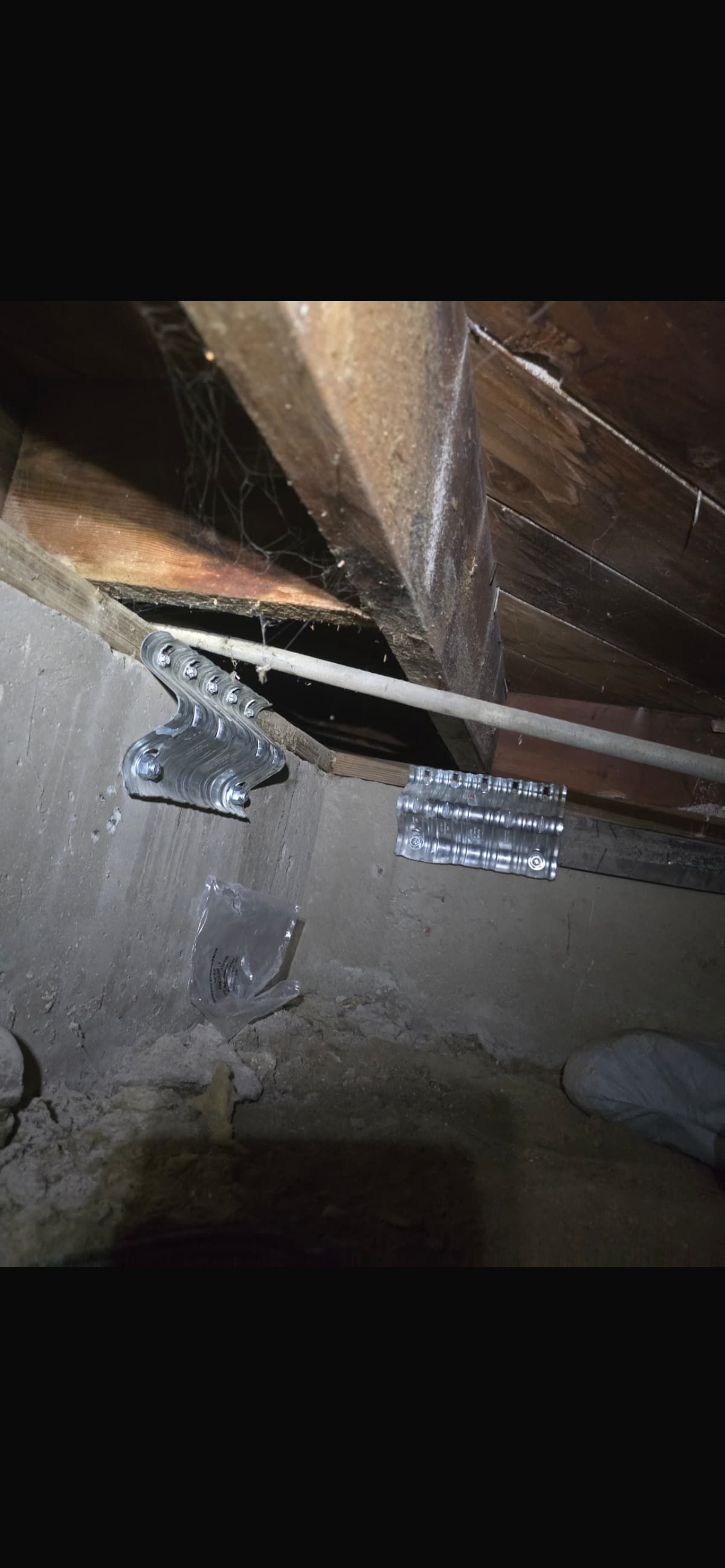
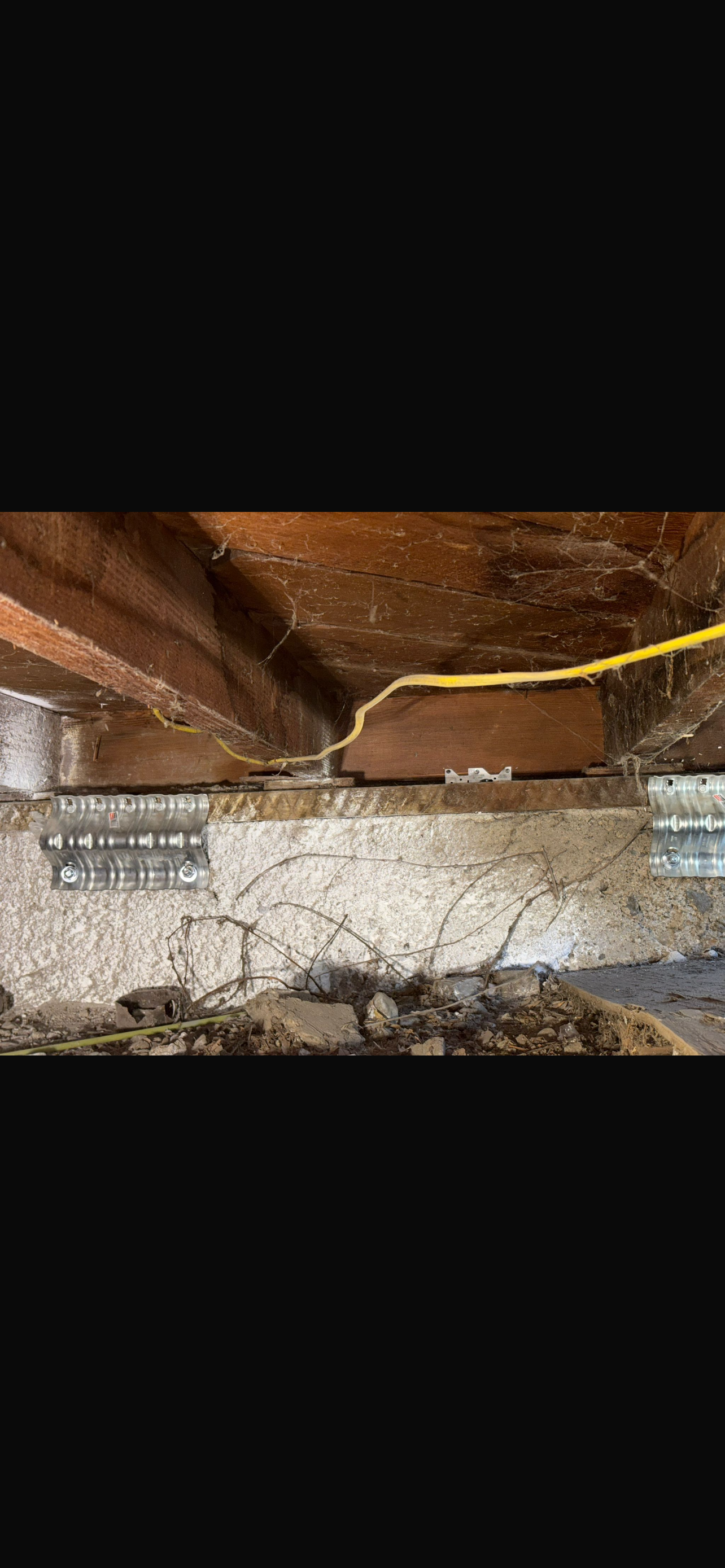
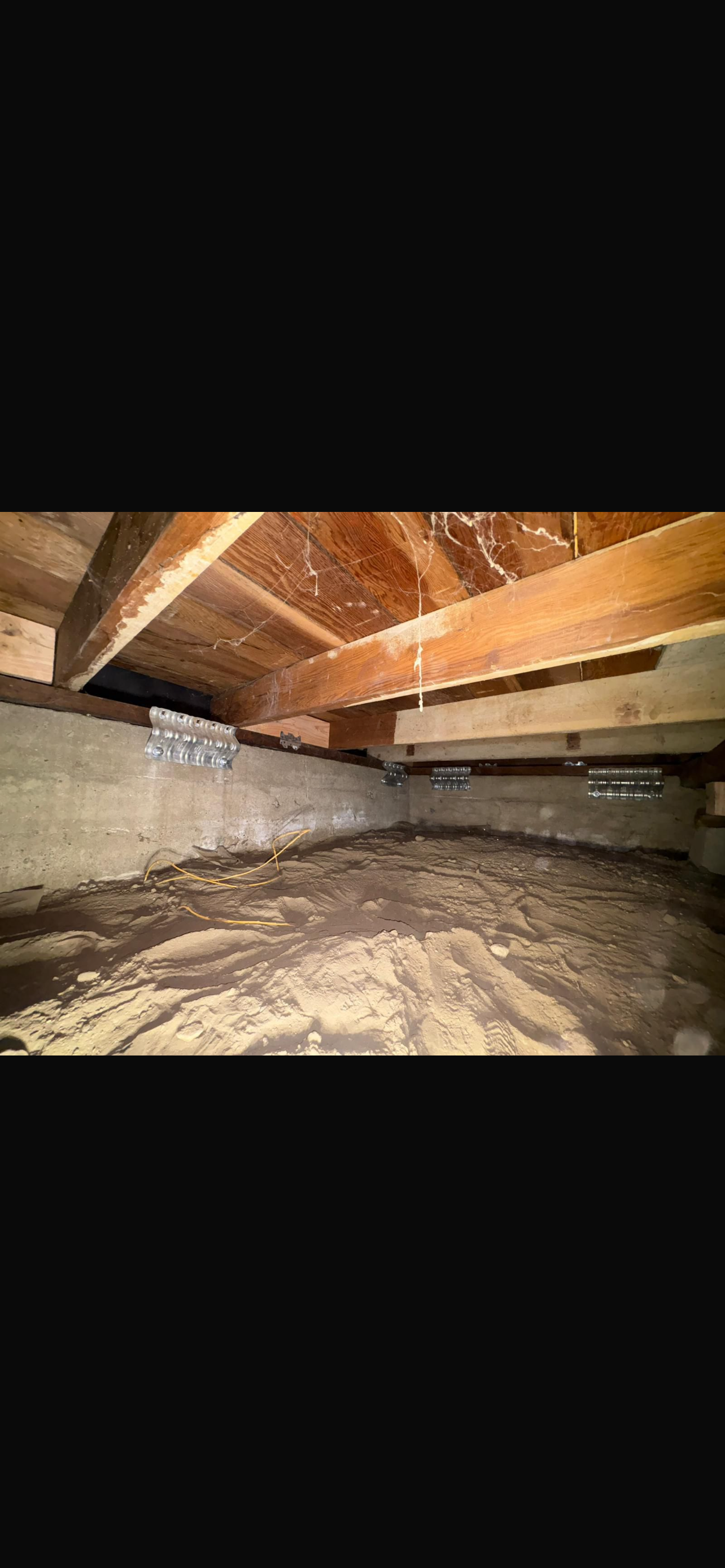
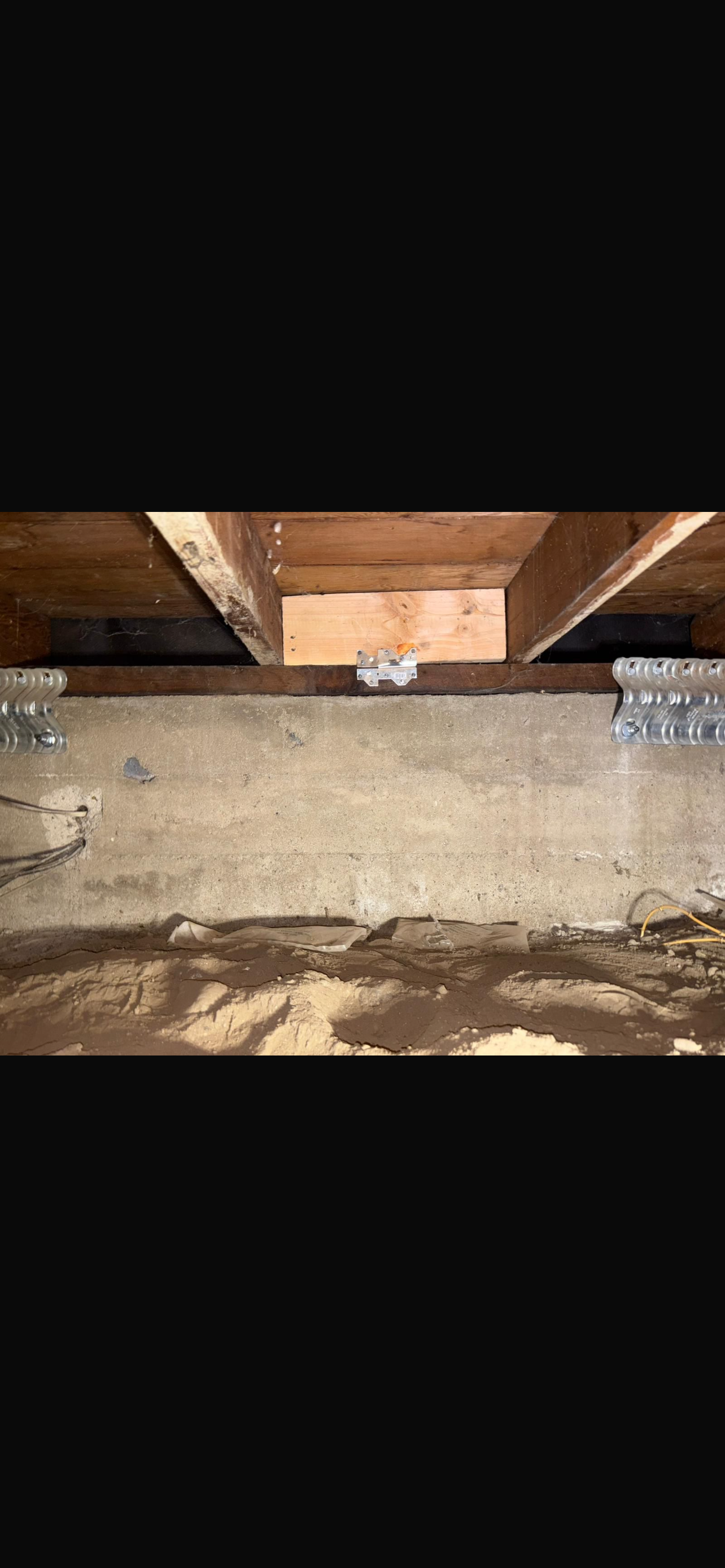
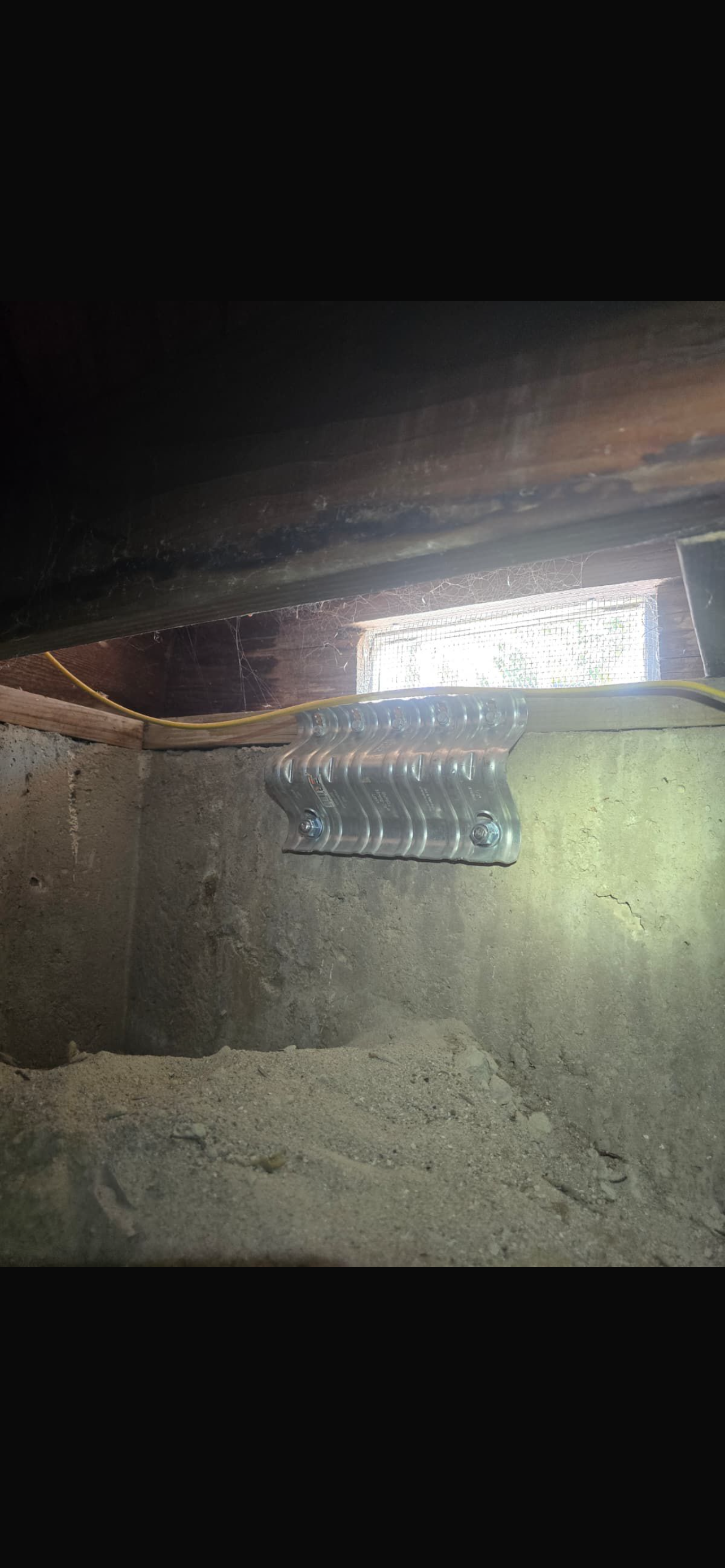
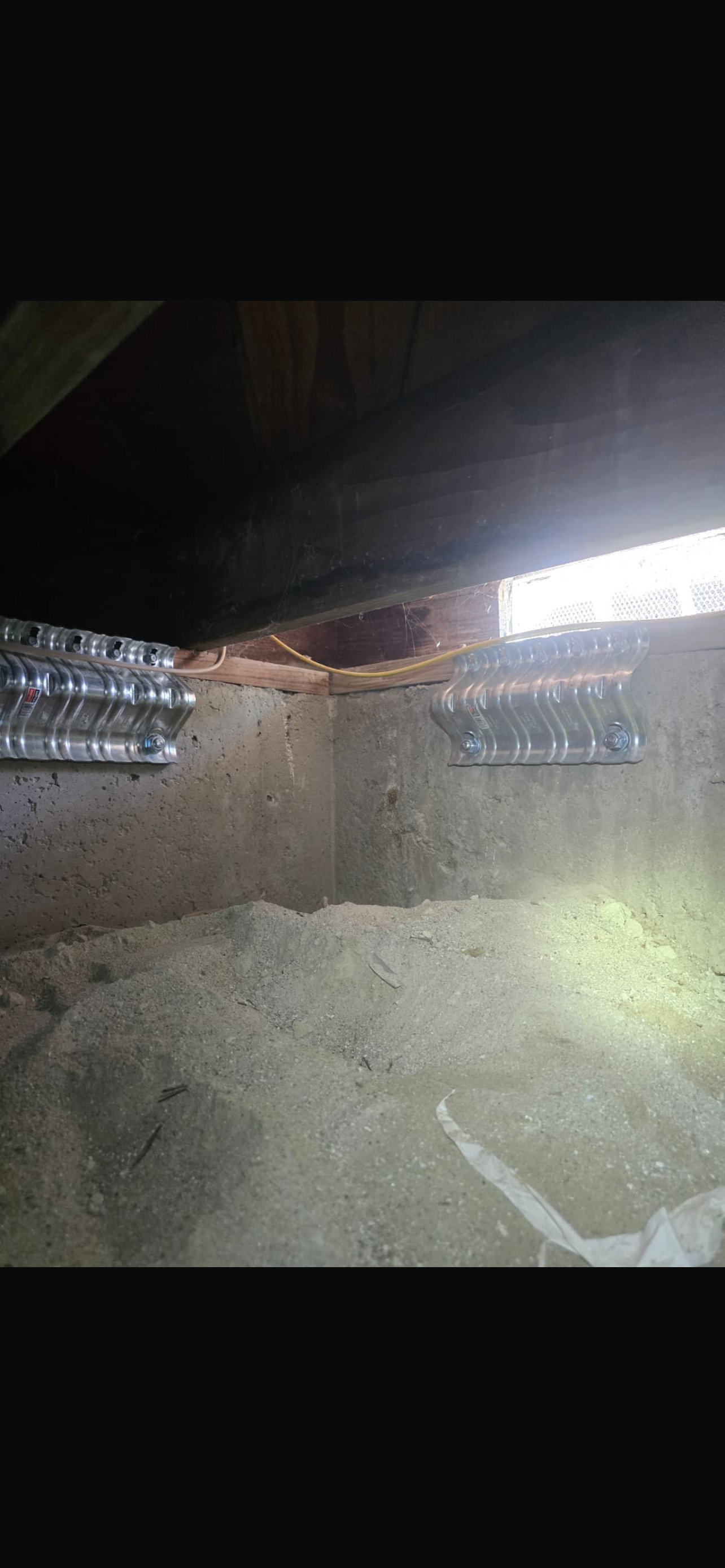
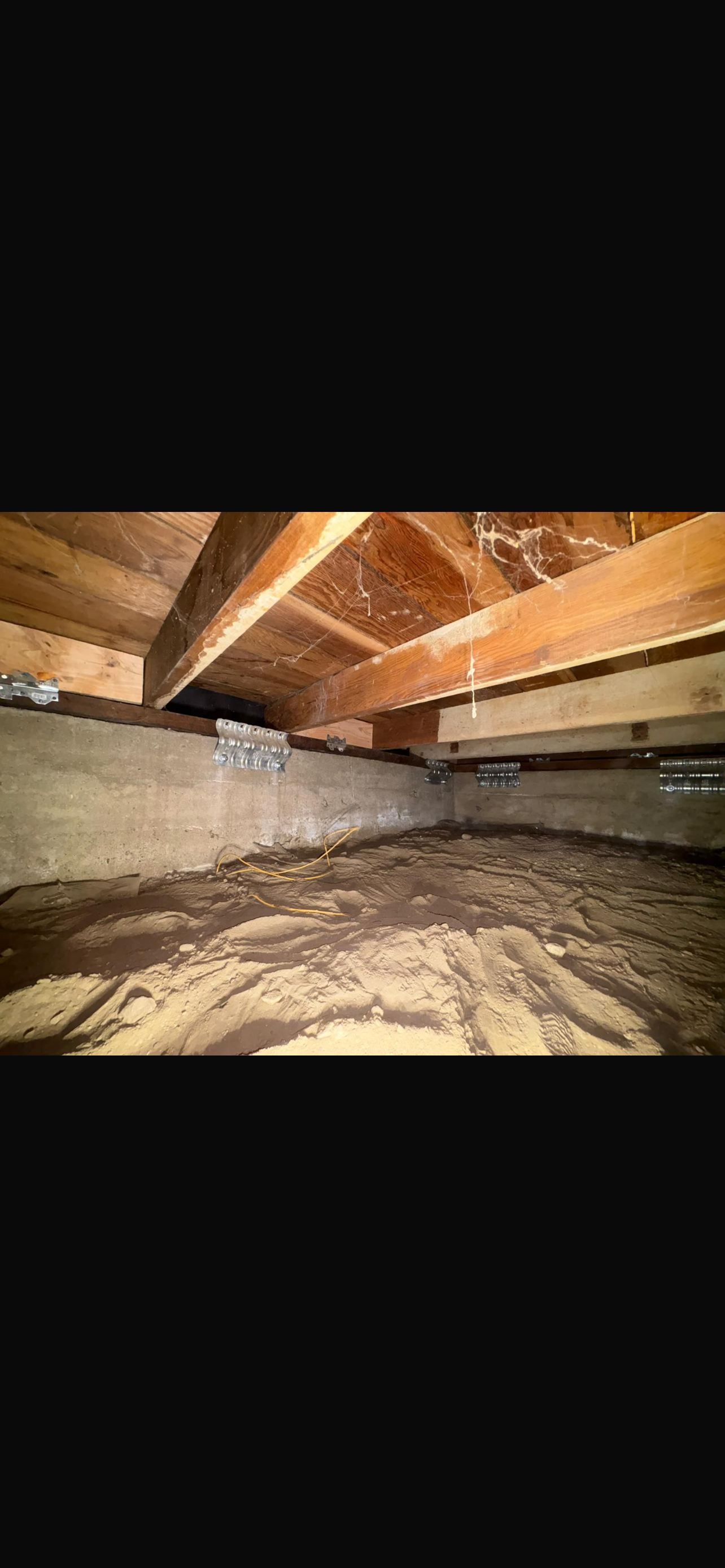
In August 2026, a Beverly Hills homeowner contacted us wanting to improve the structural stability of their property and address foundation concerns before they became larger problems. The work ahead was straightforward in its priorities: evaluate the foundation, complete the necessary repairs, and retrofit the home to strengthen its connection to the structure above it.
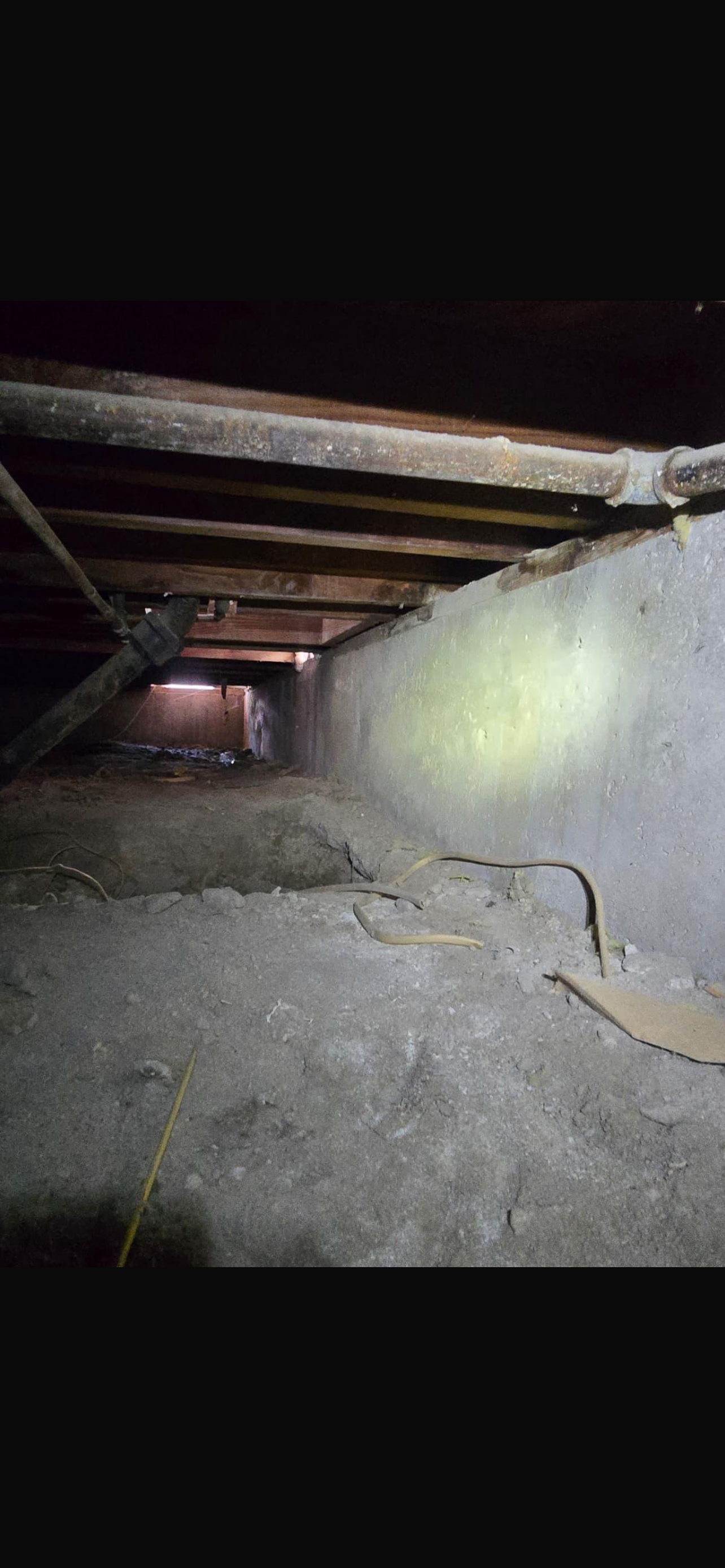
Before a single repair was made, we conducted a thorough evaluation of the accessible foundation and structural conditions. Age, original construction method, and the existing connection between the framing and foundation all shape what work is actually needed — and those factors look different on every property. Assumptions made from the exterior rarely tell the full story.
Once portions of the foundation and framing became accessible, conditions emerged that were not visible beforehand. This is a pattern we encounter consistently on existing structures: the actual site conditions require careful planning and real-time adjustments that no exterior inspection alone can anticipate.
After completing the foundation work and installing the appropriate retrofit components, the home's structural connections were measurably strengthened. The property left the project better prepared to resist seismic movement and the forces that cause the most serious damage during an earthquake. That outcome — a home that is genuinely more secure — is exactly what proper foundation maintenance and retrofitting are designed to deliver.
The Lesson We Keep Learning: Small Signs of Foundation Trouble Are Never Truly Small
Across years of residential construction and foundation-related work throughout the Los Angeles area, one pattern repeats itself with enough consistency to be worth stating plainly: the properties where damage becomes serious and expensive are almost always the ones where early warning signs were dismissed as minor.
A door that gradually stops latching. A hairline crack along a wall corner. A floor that develops a barely noticeable slope. None of these feel urgent in isolation, and that is exactly what makes them dangerous. What looks like a minor quirk can be signaling foundation movement happening quietly beneath the surface — and once that crack gets patched and the symptom disappears from view, the underlying cause keeps going.
Covering a crack in stucco or filling a gap in drywall without investigating the cause does not resolve anything — it removes the visible indicator while the actual problem continues. We have opened walls on properties where cosmetic repairs were made years earlier, only to find that movement or deterioration had progressed significantly beneath the surface.
Catching these problems early and making the right repairs is almost always less disruptive and less expensive than waiting until the deterioration forces your hand. Foundation issues do not plateau on their own. If you have noticed cracks, sticking doors, or uneven floors in your home, contact our team for a proper evaluation before a manageable problem becomes a major one.
Why Age Alone Does Not Tell You Whether Your Home Is Structurally Prepared
Just because a house has stood for fifty years doesn't mean its foundation is adequate — it means nothing catastrophic has happened yet. Older homes throughout Los Angeles were built under construction codes that did not require the bolted connections, cripple wall bracing, and anchor systems that newer residential construction standards mandate. Those structural connections were not optional refinements; they are the components that keep a home from sliding off its foundation during significant ground movement.
Serious deterioration can be hiding even when nothing catastrophic has occurred. Corroded anchor bolts, rotted wood sill plates, and unbraced cripple walls can all exist in a structurally inadequate state for years before producing any symptom a homeowner would notice from inside the house. By the time exterior signs appear, the underlying conditions have typically been developing for a long time.
The only reliable way to know whether an older home has adequate seismic connections is a thorough inspection of the foundation, framing, and the hardware tying the structure to the ground — one that goes beyond what any exterior walkthrough can reveal. Visual impressions from the exterior — or from decades of uneventful occupancy — cannot substitute for that assessment. If your home was built before modern seismic codes were adopted, its age is not reassurance; it is a reason to look more closely. Homeowners in Sherman Oaks and across the San Fernando Valley can reach out to our team to schedule a consultation.
Types of Foundation and Seismic Retrofit Work We Handle in the Los Angeles Area
Foundation and seismic retrofit work covers a range of specific conditions, and the right repair depends entirely on what is present at that property. The work we handle across the Los Angeles area falls into several distinct categories, each addressing a different aspect of structural vulnerability.
Cripple wall bracing is one of the most common needs we encounter — many older homes in the San Fernando Valley have short wood-framed walls between the foundation and first floor that lack the structural panels needed to resist lateral movement during an earthquake, and without bracing, these walls are among the first elements to fail when the ground moves. Tied directly to that concern is anchor bolt installation and replacement: the connection between a home's framing and its concrete foundation depends entirely on anchor bolts being present, properly spaced, and in sound condition. Absent or corroded bolts are one of the most common deficiencies we find, and addressing them is one of the most direct structural improvements available.
Beyond those two, we handle foundation crack repair and concrete work, where identifying the cause before making the repair is essential to a lasting result. Sill plate replacement comes up regularly as well — the wood member resting directly on the foundation is vulnerable to rot and pest damage, and a deteriorated sill plate undermines every other structural connection above it. Properties with raised foundations or garage-level living spaces present specific seismic vulnerabilities that we evaluate through soft-story and raised-foundation assessments tailored to their actual construction. Post-and-pier foundations, common in older Los Angeles homes, require close inspection of posts, piers, and connections to confirm they are providing stable, adequate support.
Homeowners in Woodland Hills, Northridge, and throughout the Valley can contact us to discuss which of these evaluations applies to their property.
How to Know If Your Home May Need Foundation Work or Seismic Retrofitting
The clearest sign that your foundation warrants professional attention is a crack that has widened, shifted, or multiplied over time — hairline cracks in concrete are common, but stair-step cracks in brick or block, or cracks that visibly grow, are worth evaluating rather than patching and forgetting.
Pay attention to your doors and windows. Frames that no longer square up, doors that stick or swing open on their own, and windows that have become difficult to operate are physical signs that the structure may be moving in ways that trace back to the foundation beneath it.
Floors that slope, feel soft underfoot, or bounce in certain areas point to problems with posts, piers, or framing below — not simply a flooring issue that new material will fix.
If your home has an accessible crawl space, look for moisture, wood rot, corroded metal hardware, missing anchor bolts, or unbraced cripple walls. These conditions are often only visible from below and represent exactly the kind of hidden deterioration that a surface inspection cannot detect.
A common question is how urgent these signs actually are. The honest answer is that none of them resolve on their own. If you have noticed any of these conditions in your home — or simply want to understand your foundation's condition before the next significant seismic event — contact our team to schedule a proper evaluation. Homeowners in Encino and across the Los Angeles area can reach us directly at 310-890-4885.
What Proper Foundation and Retrofit Work Actually Involves
Every foundation project begins with an honest evaluation of what is actually present — the foundation type, the age and condition of the framing above it, the presence or absence of anchor bolts, and any visible signs of moisture damage, movement, or deterioration. That evaluation drives the scope of work, not a predetermined package.
A property with a sound poured concrete foundation that simply lacks anchor bolts requires different work than one with a deteriorated sill plate and unbraced cripple walls. Retrofit components — anchor bolts, structural sheathing panels, hold-downs, and framing hardware — are selected and installed based on the conditions found on site, which means experienced evaluators plan for adjustments as accessible areas reveal what exterior inspections cannot.
Homeowners should expect some level of access work. Depending on the property, this means working in a crawl space, temporarily removing sections of interior finish material, or accessing the perimeter of the foundation from outside. This is structural repair work, and the process reflects that reality.
A common question is how long this kind of project takes. The honest answer is that timeline depends directly on what the evaluation uncovers — and that variability is a sign of an honest process, not an inefficient one. If you want to understand what your specific property may require, reach out to our team to schedule a consultation.
Addressing the Cost Concern: What Foundation Work Protects You From
Foundation work is not inexpensive, and we hear that concern from homeowners consistently. The relevant comparison, though, is not the cost of the repair against doing nothing — it is the cost of a proactive repair against the cost of addressing a structural failure that has been allowed to worsen over years. Those are very different numbers, and every property we have worked on where early intervention was possible has required substantially less work than those where deterioration was left unaddressed.
Foundation problems do not hold at a fixed severity while a homeowner waits and weighs options. The underlying conditions that produce a sticking door or a hairline crack continue developing regardless of whether a repair is scheduled. Properties that reached serious structural compromise almost always showed earlier signs that were dismissed as manageable.
Seismic retrofitting specifically addresses the risk of catastrophic damage during an earthquake — the kind that can render a home uninhabitable. The cost of rebuilding or stabilizing a home after that kind of failure can dwarf what a proactive retrofit would have required.
Proper foundation maintenance and retrofitting can also support the long-term value of a property and may affect insurance considerations — factors worth discussing with the relevant professionals as part of your planning. To understand what your specific home may need, contact our team for a foundation evaluation and consultation.
Neighborhoods and Areas We Serve Across the Los Angeles Region
Our primary service area is Sherman Oaks and the broader San Fernando Valley, where residential properties range from post-war construction on the Valley floor to newer builds in the foothills — each with foundation types and seismic preparedness levels that vary significantly by era. The August 2026 Beverly Hills project is representative of the work we complete throughout the Westside, where older homes on larger lots frequently have raised foundations, crawl spaces, and original construction that predates modern seismic standards. We work across Encino, Studio City, and Calabasas under those same conditions.
Homes situated near the 405, 101, and 134 corridors deserve particular attention — the communities along these routes have a concentration of older residential construction that makes a foundation evaluation especially worthwhile for homeowners in those areas.
We also serve Granada Hills, Porter Ranch, and West Hills in the northwestern Valley, along with established neighborhoods across the broader Los Angeles region. Our clients include individual homeowners, property managers, and HOAs managing multi-unit properties where foundation conditions across several structures may need coordinated evaluation. Wherever you are in the Los Angeles area, call us at 310-890-4885 or contact our team online to schedule a foundation consultation.
How Foundation Work Connects to the Broader Health of Your Home
Foundation movement rarely stays contained to the foundation. Its first signs are usually interior — cracked drywall along a hallway, tile grout that has separated at a bathroom threshold, gaps that have opened between baseboards and the floor, or walls that no longer meet at a clean right angle. Resolving the structural cause of those symptoms naturally opens the door to interior renovation work once the foundation is stabilized.
Projects that begin as foundation evaluations sometimes reveal related needs: framing repairs where wood has deteriorated, subfloor corrections where settling has created an uneven plane, or moisture remediation in a crawl space that has been affecting the structure above it for years. Each of these connects directly to how finished interior surfaces will perform long-term.
Our home renovation services across the San Fernando Valley — framing, drywall, flooring, and full general contracting — mean that both the structural work and the interior repairs that follow it can be handled under one coordinated project. Homeowners in Van Nuys and Northridge have seen this directly: a foundation evaluation becomes the starting point from which kitchen remodels, bathroom renovations, and flooring replacements are built on a stable, properly prepared base. That is not a coincidence — it is how sound residential construction actually works.
Schedule a Foundation Evaluation and Consultation
If you have noticed signs of foundation movement, own an older home that has never been evaluated for seismic retrofitting, or simply want to understand your foundation's condition before investing in other improvements, the right first step is a proper evaluation — not a cosmetic patch over visible symptoms.
Foundation problems do not resolve themselves. Every project we have completed confirms that early evaluation and appropriate repair is the more protective and cost-effective path — consistently. The longer a known or suspected foundation issue goes without professional attention, the narrower the options and the higher the cost when action finally becomes unavoidable.
We work with homeowners, property managers, and HOAs across Sherman Oaks, Beverly Hills, Encino, Studio City, Calabasas, and the broader San Fernando Valley. To schedule a consultation, call us at +1 (310) 890-4885 or visit our office at 4419 Van Nuys Blvd, Suite 407, Sherman Oaks, CA 91403. Open Sunday through Thursday from 8 AM to 6 PM, Friday from 8 AM to 2 PM, closed on Saturday.
You can also reach our team online to describe your property and request a foundation evaluation. We will start with an honest conversation about what your home may need — and what it does not.
Project Photos
Frequently Asked Questions
7 questions answered
What is seismic retrofitting and what does it actually involve?
Seismic retrofitting is the process of strengthening the connection between a home's wooden framing and its concrete foundation so the structure is better able to resist movement during an earthquake. The work typically involves installing anchor bolts, adding cripple wall bracing, and securing hardware that ties the structure to the ground. The specific components required depend on the age of the home, its original construction method, and what conditions are found once the foundation and framing are accessible.
How do I know if my home needs foundation repairs or seismic retrofitting?
Sticking doors, hairline cracks along wall corners, and floors with a slight slope can all be early indicators of foundation movement worth investigating. Because deterioration and inadequate structural connections are rarely visible from the outside, the only reliable way to assess your home's condition is a professional evaluation of the accessible foundation and framing. Waiting for symptoms to become obvious typically means the underlying problem has already progressed further than it needed to.
Will seismic retrofitting disrupt my daily life, and how long does the work take?
The disruption level depends on the specific scope of work, the age and construction of the home, and what conditions are uncovered once framing and foundation areas become accessible. Working within an existing structure often requires real-time adjustments that cannot be fully anticipated from an exterior inspection alone, so the timeline is best confirmed after a proper on-site evaluation. Many homeowners find the temporary inconvenience of the work easier to manage than the alternative of addressing serious structural damage after an earthquake.
Can foundation cracks be patched without addressing the underlying structural issue?
Patching a crack cosmetically removes the visible symptom without resolving the cause, and movement or deterioration beneath the surface can continue progressing undetected. We have encountered properties where cosmetic repairs were made years earlier, and the actual structural condition had worsened significantly by the time it was properly evaluated. A visible crack is a signal worth investigating, not simply filling.
Does homeowner's insurance typically cover earthquake damage to a foundation?
Standard homeowner's insurance policies in California generally do not cover earthquake damage — separate earthquake insurance is required for that coverage, and even then, policy terms vary widely regarding what foundation and structural damage qualifies. This is worth confirming directly with your insurance provider. Proactive retrofitting may reduce the risk of severe structural damage that would otherwise result in a large out-of-pocket expense regardless of coverage.
How is a foundation evaluation different from a standard home inspection?
A general home inspection covers a broad range of visible conditions throughout the property but typically does not include a detailed structural or geotechnical assessment of the foundation. A foundation evaluation focuses specifically on the accessible foundation conditions, framing connections, anchor hardware, and any indicators of movement or deterioration relevant to the structural integrity of the home. For older Los Angeles properties where seismic adequacy is a concern, a targeted evaluation by someone experienced in foundation and retrofit work provides more actionable information than a general inspection alone.
What should I do before contacting a contractor about foundation or retrofit work?
Note any symptoms you have observed, such as doors or windows that stick, cracks in walls or stucco, uneven floors, or gaps between the wall and ceiling, along with roughly when you first noticed them. Knowing the approximate age of your home and whether any previous foundation or structural work was done is also helpful context. From there, scheduling a proper evaluation is the right first step — contact Los Angeles Kitchen and Bathroom Remodeling at 4419 Van Nuys Blvd, Suite 407, Sherman Oaks, CA 91403, or call +1-310-890-4885 to arrange a consultation.